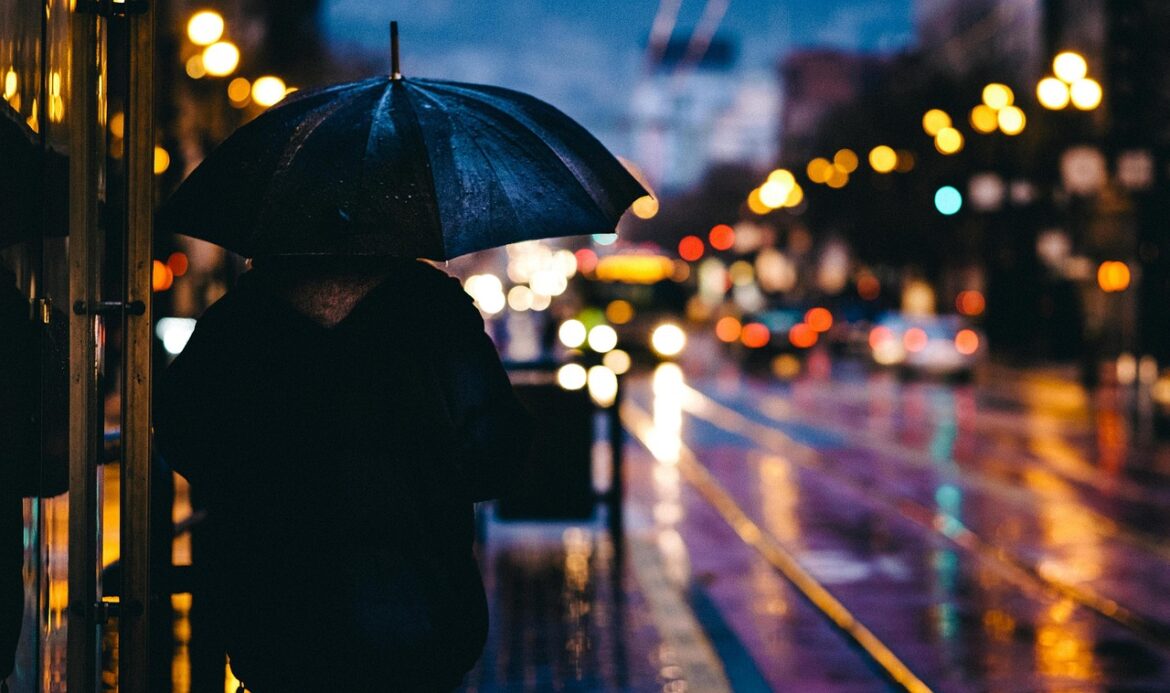
Every year, the first real monsoon downpour catches me exactly the same way — halfway to somewhere, in the one pair of shoes I didn’t want to ruin. After enough years of this, I’ve stopped treating the monsoon as an inconvenience to survive and started treating it as a season with its own routine. Here’s what actually holds up once the rain settles in for the next few months.
Start the night before, not the morning of
The biggest shift I made was moving prep to the previous evening. Bangalore mornings during monsoon are unpredictable — a clear sky at 7 AM means nothing by 8. I now lay out the next day’s outfit, bag, and umbrella the night before, rather than gambling on the weather when I wake up. It sounds small, but it removes the one decision that used to cost me ten rushed minutes and, more than once, a soaked bag.
Build a two-shoe rule
One pair for the commute, one pair that lives at your desk or in your bag. I keep a simple pair of slip-on flats in a waterproof pouch in my bag at all times during these months. It’s saved more meetings and more good shoes than I can count. If you only make one change from this list, make it this one.
Rethink your bag, not just your umbrella
An umbrella keeps you dry; it doesn’t keep your bag dry. I switched to a water-resistant tote for the monsoon stretch and keep a foldable rain cover (the kind meant for backpacks) tucked in the bottom of whatever bag I’m using. Laptop sleeves and phone cases matter more here than any raincoat.
Reroute your routine around drying time, not just rain
The part nobody warns you about is humidity, not rain. Clothes take twice as long to dry, hair takes longer to set, and anything left damp starts smelling within a day. I’ve shifted laundry to mornings instead of evenings, so things have all day to actually dry instead of sitting damp overnight. A small dehumidifier or even a well-placed fan in a laundry corner does more for a monsoon routine than most people expect.
Keep one “rain kit” by the door
A small basket near my entryway holds: a spare umbrella, a microfiber towel, a plastic bag for wet shoes, and a phone-charging cable (because a soaked commute plus a dying phone is the actual worst combination). Having it all in one place means I grab it without thinking, rather than hunting for an umbrella while already running late.
Let your evening routine flex
Monsoon evenings in Bangalore have a particular pull toward staying in, and I’ve stopped fighting that. I keep a short list of things that make a rainy evening feel intentional rather than just stuck — a specific tea, a playlist, a book I’m mid-way through — instead of defaulting to scrolling because the weather made the decision for me.
Adjust your skincare and haircare routine, not just your wardrobe
Humidity changes what your skin and hair actually need, and most routines don’t account for it. I switch to a lighter moisturizer the moment the air starts feeling heavy rather than waiting for breakouts to force the change — monsoon humidity plus a rich winter-weight cream is a combination that never works out well. For hair, I’ve made peace with a slightly different routine altogether: less heat styling (it fights a losing battle against the humidity anyway), a bit more dry shampoo between washes since hair takes longer to fully dry, and keeping a small hair tie and a travel-size frizz serum in my bag alongside the rain kit. None of this is about buying a new routine — it’s about accepting that your July routine and your December routine were never going to be the same one.
Protect the things that don’t dry easily
Shoes get all the attention, but the things that actually suffer during monsoon are the ones nobody thinks to protect until it’s too late. Leather bags and shoes need a proper waterproofing spray applied before the season starts, not after the first stain shows up. Books, if you’re someone who carries one, live in a small ziplock inside my bag the entire season — I learned this after ruining one I genuinely loved. And important documents or anything paper-based that has to travel with you are worth a slim waterproof folder rather than trusting a bag pocket.
Rework your commute planning, not just your outfit
I used to plan my commute the same way year-round and just add an umbrella mentally. What actually helps is building in a buffer — traffic during heavy Bangalore rain isn’t just slower, it’s unpredictable in a way dry-season traffic isn’t. I now build a 15–20 minute buffer into anything time-sensitive during monsoon months, and I’ve started keeping a couple of backup route options in mind for the roads near me that flood first. It’s a small mental shift, but it’s turned “I might be late” into “I built in the time already,” which changes the entire tone of a rainy morning.
Keep a monsoon grocery rhythm
This one took me longer to figure out than it should have. Fresh produce doesn’t keep the way it does in drier months, and I was wasting a genuinely embarrassing amount of vegetables every week before I adjusted. I buy smaller quantities more frequently during monsoon rather than doing one large weekly shop, and I’ve shifted toward things that hold up better in humidity — root vegetables, things I can store dry, and a slightly heavier lean on frozen or shelf-stable staples as backup rather than as a last resort.
The one thing I’d tell anyone starting this routine
None of this is about elaborate prep. It’s about moving three or four small decisions to a calmer moment — the night before, the morning while things are still dry — so the actual downpour doesn’t get to make your decisions for you. I’ve run this same basic routine for a few monsoons now, and the version above is what’s actually survived contact with a real schedule, not the version that sounded good in theory.
What’s your non-negotiable monsoon habit? I’m always looking to refine this list — reach me at rohiniusblog@gmail.com if you’ve got one worth adding.
Rohini writes about home styling, beauty, fashion, food, and travel from Bangalore, India — drawing on her background in interior styling and years of testing what actually works in real homes and everyday routines. Every recommendation here comes from something she’s personally tried, not aggregated advice.