When you think of Kerala today, one of the first things that comes to mind is its unique and government-run lottery system. It is not just a gamble for many — it’s a story of governance, employment, and revenue. Let’s trace how this journey began and why it remains important more than five decades later.
The Birth of the Kerala State Lottery
In 1967, the Government of Kerala made a pioneering decision. Under the leadership of then Finance Minister P. K. Kunju Sahib, the state launched India’s first government-run lottery program. The goal was simple yet powerful:
- Generate revenue for the state without imposing new taxes.
- Create employment opportunities for thousands of people.
- Provide a legal and transparent alternative to private lotteries, which were banned.
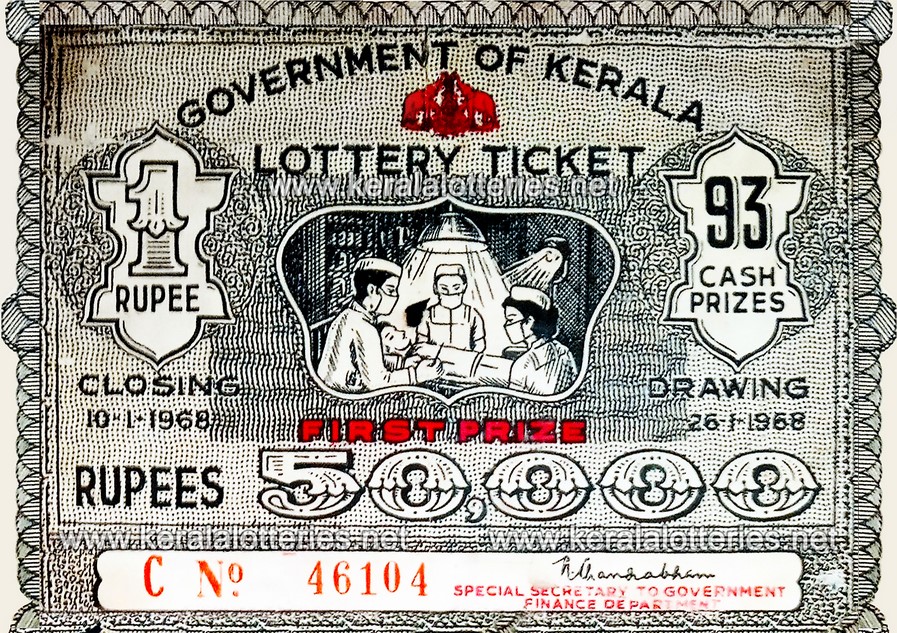
On 26 January 1968, the very first lottery draw was held. Tickets were priced at Re. 1, and the first prize was ₹50,000 — a significant sum at the time.
Timeline of Key Milestones
1967–1968: The Beginning
- 1967: Directorate of State Lotteries is established.
- January 1968: First draw conducted; Re. 1 ticket, ₹50,000 first prize.
1970s: Building Trust
- Lotteries become a regular part of Kerala’s financial planning.
- Ticket sales spread across the state through official agents.
- Revenue begins to contribute meaningfully to state welfare funds.
1980s: Expanding Reach
- Introduction of multiple weekly draws to increase participation.
- Mechanisms for greater transparency in draws are implemented, including more formalized public oversight.
- Employment in the lottery sector grows steadily.
1990s: Modernization
- Widespread introduction of mechanical draw machines to replace manual systems.
- Results are increasingly published in more newspapers, enhancing accessibility.
- Revenue crosses new milestones, becoming one of Kerala’s most reliable non-tax incomes.
2000s: Legal Reforms & Regulation
- 2005: The Kerala Paper Lotteries (Regulation) Rules come into force.
- Rules establish strict guidelines on ticket printing, sales, and prize disbursal.
- Move towards standardized prize structures and agent commissions.
2010s: Digital Presence
- The Directorate launches a website with online publication of results.
- Greater focus on anti-fraud measures and curbing illegal private lotteries.
- Kerala positions itself as a model for transparent state-run lotteries in India.
2020s: Today’s System
- Kerala runs seven weekly lotteries, along with six bumper draws during festivals and New Year.
- Prize money has increased to multi-crore jackpots.
- Lotteries fund major welfare schemes, including health and education programs.
- Still remains a major source of employment, especially for small-ticket sellers and agents.
Influence on Other States
Kerala’s pioneering move to start a government-run lottery in 1967 soon became a model for the rest of India. Inspired by its success, many other states launched their own lotteries in the following years. This helped standardize lottery operations across the country and gave states a new way to raise revenue without additional taxation.
Administrative Setup
The lottery system is managed by the Directorate of State Lotteries, headquartered in Thiruvananthapuram. Over time, district and sub-offices were added to ensure smooth ticket distribution and prize claim processes.
The department functions under the Taxes Department of Kerala. A Director leads the operations, supported by Deputy and Assistant Directors who oversee different aspects — from printing to draw management.
How the Draws Work
Lottery draws are designed to ensure fairness and transparency:
- Draws are conducted in public places with government-appointed judges and observers.
- Mechanical draw machines are used, with strict checks before and after.
- Results are published in the Kerala Government Gazette and widely circulated through newspapers and online portals.
Why It Matters
The Kerala lottery has grown into a multi-crore industry. The money earned doesn’t just go into the state treasury; it funds welfare schemes, healthcare, and infrastructure projects. At the same time, the system provides direct and indirect employment to lakhs of people — from printing staff to small-scale ticket sellers.
Closing Thoughts
What began in 1967 as a bold experiment is today an integral part of Kerala’s governance model. The Kerala State Lottery is more than just tickets and prizes; it represents financial innovation, social welfare, and trust in public systems.
FAQs on Kerala State Lottery
1. When did the Kerala State Lottery begin?
The department was established in September 1967, and the first draw took place on 26 January 1968.
2. Why did Kerala start a state lottery?
To generate revenue for welfare programs, create employment, and provide a legal alternative to private lotteries.
3. How many lotteries are conducted today?
Kerala runs seven weekly lotteries, six bumper lotteries annually, and special seasonal schemes.
4. Who controls the Kerala State Lottery?
It operates under the Taxes Department of Kerala, with oversight by the Secretary to Government, Taxes Department.
5. How are draws conducted?
Draws take place in public, using mechanical draw machines, under the supervision of judges and government officials.
6. How can winners claim their prize?
Winners must present their ticket, identification, and claim forms to the lottery office within a specified time (usually 30 days). High-value prizes require submission to the Directorate in Thiruvananthapuram.
7. What is the money used for?
Revenue from the lotteries supports state welfare schemes, healthcare initiatives, and infrastructure projects.
8. Did other states adopt Kerala’s model?
Yes, Kerala’s success inspired many Indian states to launch their own government lotteries.